Discover wetlands
The dynamic ecosystems where water meets land.
Ranging from mangroves and peatlands to rivers, lakes, floodplains, and coasts. Though they cover only about 6% of Earth's surface, but their impact is immense. Wetlands are indispensable for climate stability, biodiversity, and human livelihoods.
climate resilience
Wetlands capacity to stabilise local climates and hydrological systems make them indispensable allies in the fight against climate change.
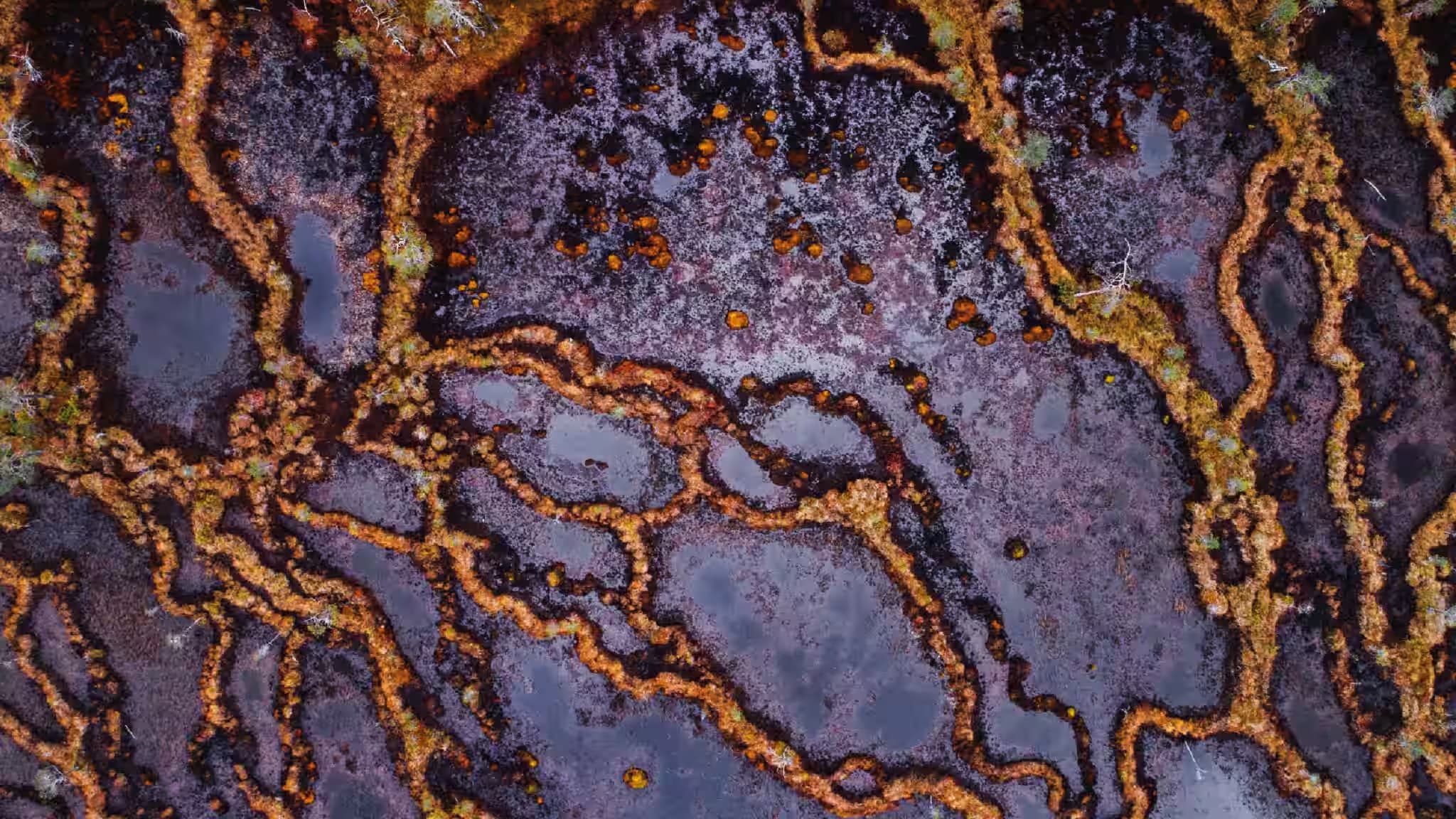
Wetlands are efficient natural carbon sinks, for example peatlands cover only 3% of the global land area, but store twice as much carbon than all the world’s forests combined. Coastal wetlands such as mangroves also trap significant amounts of blue carbon and buffer coastlines from storm surges and sea-level rise.
3%
31.1%
1. FAO, 2022
Biodiversity strongholds
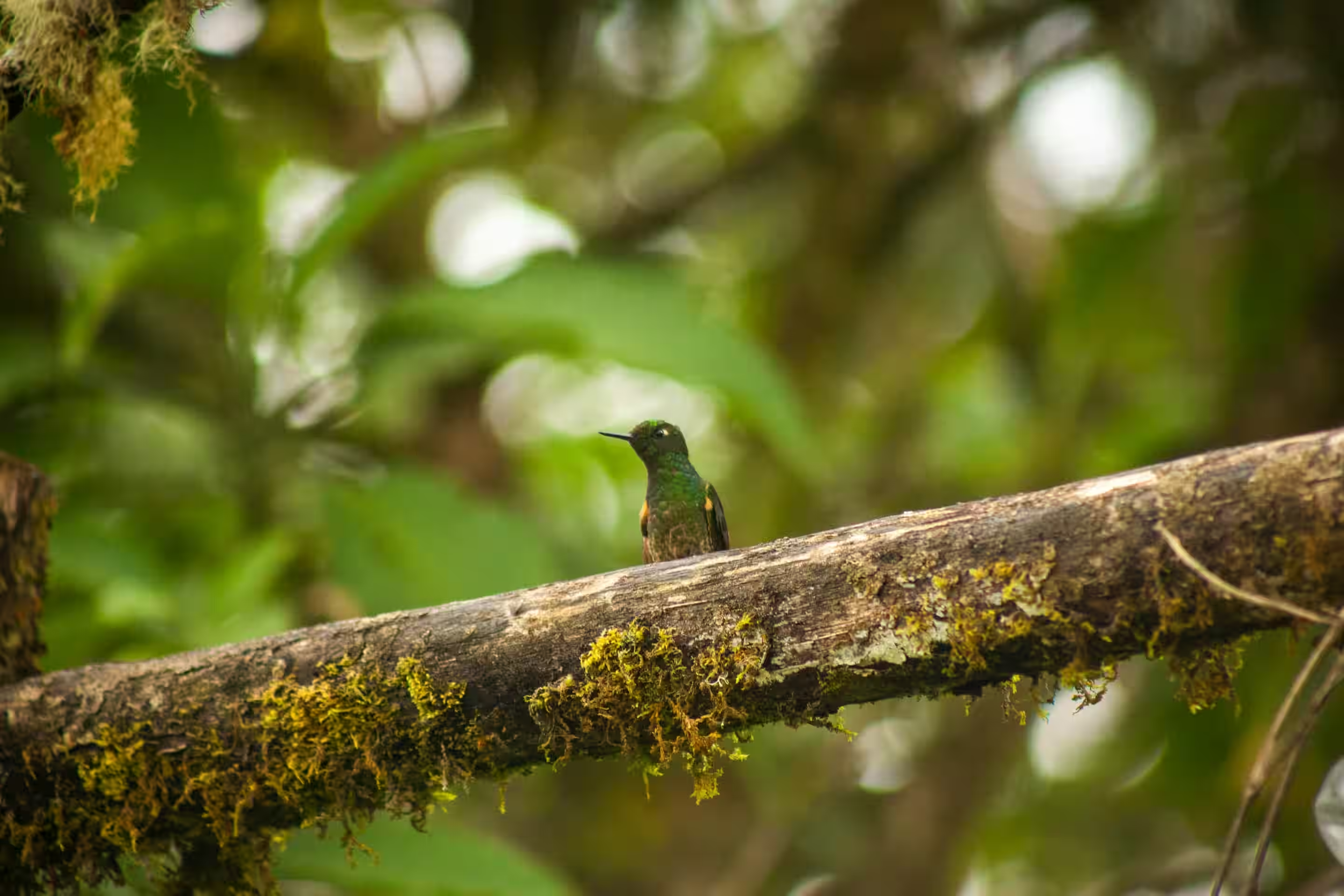
Nearly 40% of all species rely on wetlands at some point in their life cycle
Wetlands rank among the most biologically diverse ecosystems on Earth. They provide vital habitat for an immense variety of species, birds, amphibians, fish, invertebrates, and plants.
Freshwater wetlands, in particular, are home to about half of all fish species, despite covering less than 1% of the earth’s surface.
19%
1. IPBES, 2019 | 2. Stefanie Deinet et al., 2024
Engines for economic development
Wetlands deliver ecosystem services worth up to $39 trillion annually.
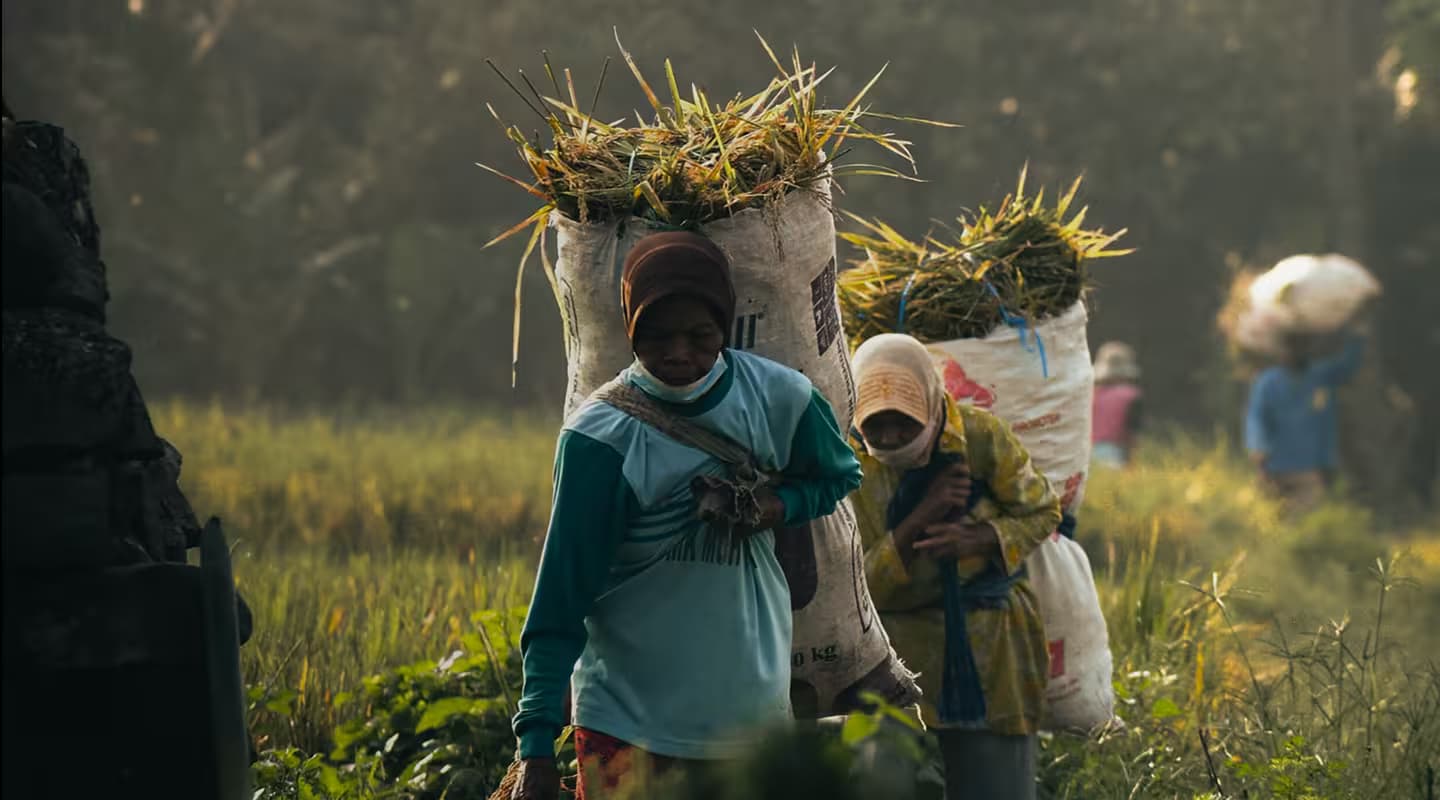
Wetlands hold immense economic value, yet they are often overlooked. Over a billion people rely on them for farming, fishing, and ecotourism.
Healthy wetlands reduce poverty, enhance food security, and boost economies. Investing in them is crucial for both the environment and the economy.
7.5%
1. Global Wetland Outlook, 2025
Wetlands Under Threat
Since 1970 we’ve lost 35% of wetlands—3× faster than forests1.
Despite their vital roles, wetlands are disappearing at an alarming rate.
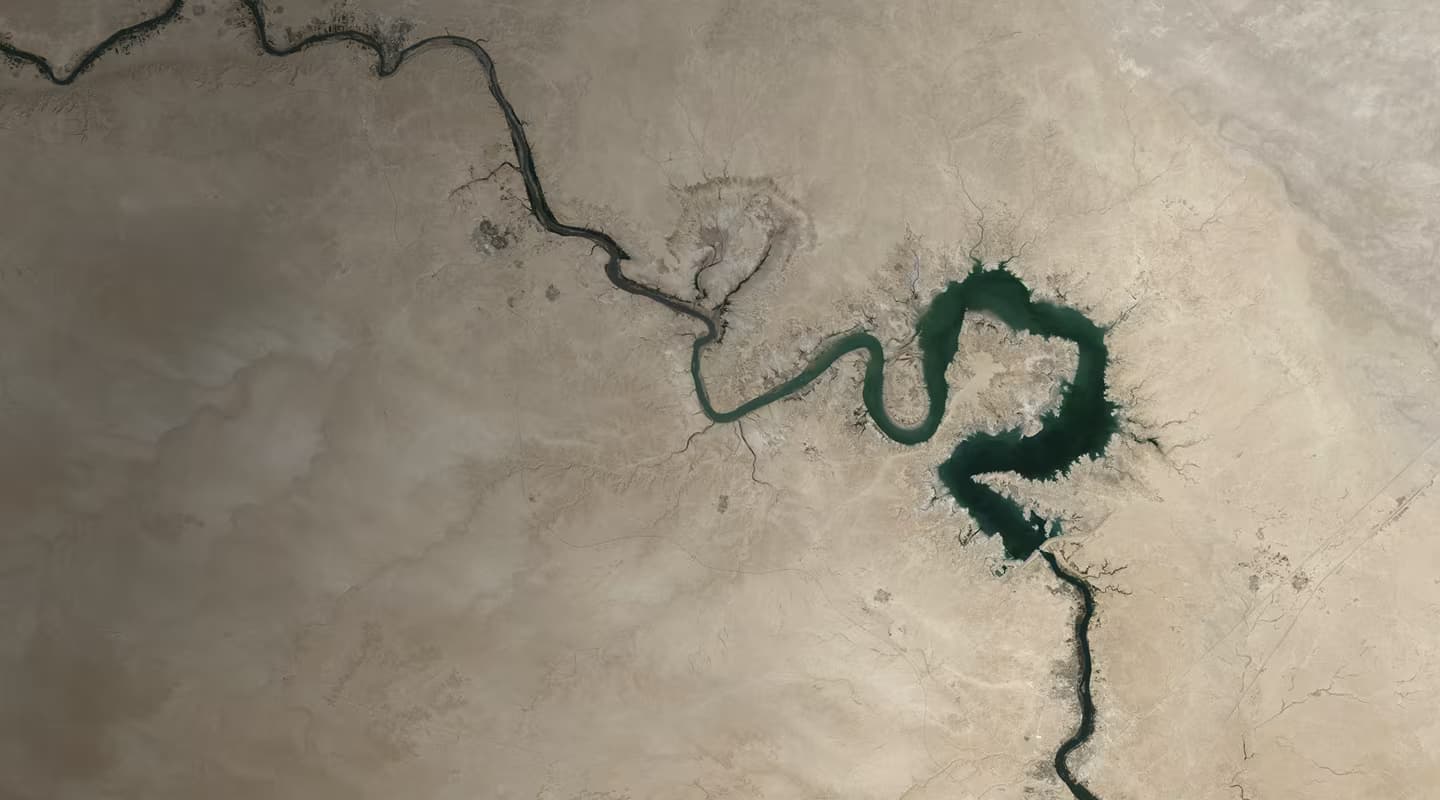
Peatlands are being drained and burned, mangroves are being cleared for aquaculture and tourism, and river floodplains are being cut off by dams and levees. As wetlands vanish, we lose not only biodiversity and ecosystem services, but also the safety nets that protect the most vulnerable people from environmental end economic shocks.
WETLANDS LOST SINCE 1970 2
43%
30%
19%
8%
1. Ramsar Global Wetland Outlook, 2018 | 2. Global Wetlands Outlook, 2025
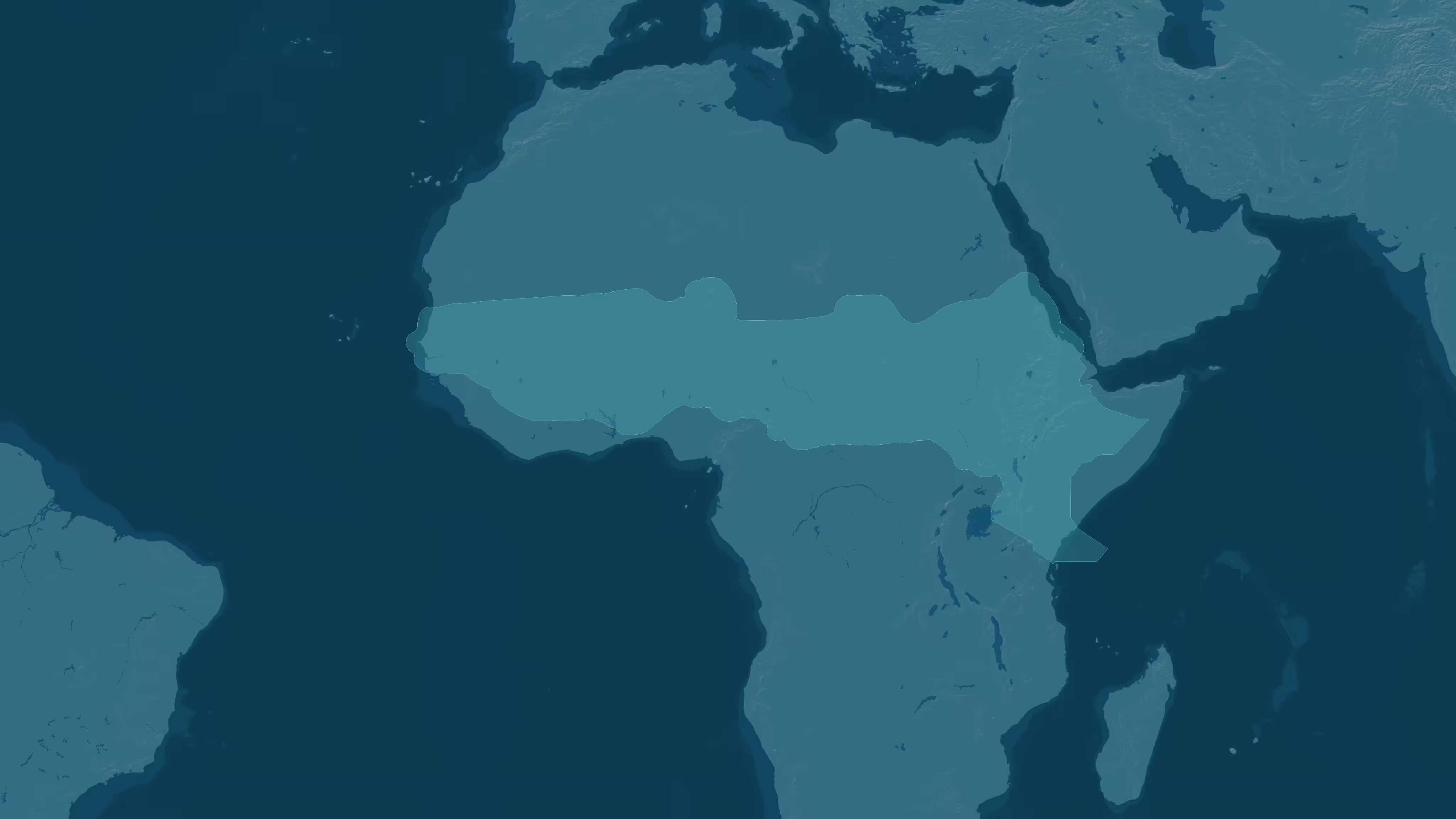
A lifeline in the Extended Sahel
The extended Sahel region of Africa underscores the importance of wetlands. In this dry area, seasonal wetlands and floodplains provide fertile land for farming, pastures for livestock, and fish for communities.
They also support cultural traditions and social ties.
As the extended Sahel faces climate change and conflict, protecting wetlands is crucial for regional stability.

The Saloum Delta Landscape
The Saloum Delta Landscape
Located in west-central Senegal, the Saloum Delta is shaped by the Saloum, Diombos, and Bandiala rivers. Their waters wind through a dense network of bolongs, saltwater channels that form a distinctive landscape of islands and wetlands, mangroves and iconic trees such as baobabs and kapok. Intertidal flats, permanent and seasonal vegetated wetlands, and sandy shores modelled by tides and seasonal flows, add to the delta’s complexity. Beyond the core delta, dunes, and dry open woodland create a transition from coastal environments to inland ecosystems.
The delta’s importance is three-fold: for biodiversity, for climate and for livelihoods.
The Lamu-Tana Land-and Seascape
The Lamu-Tana Land-and Seascape
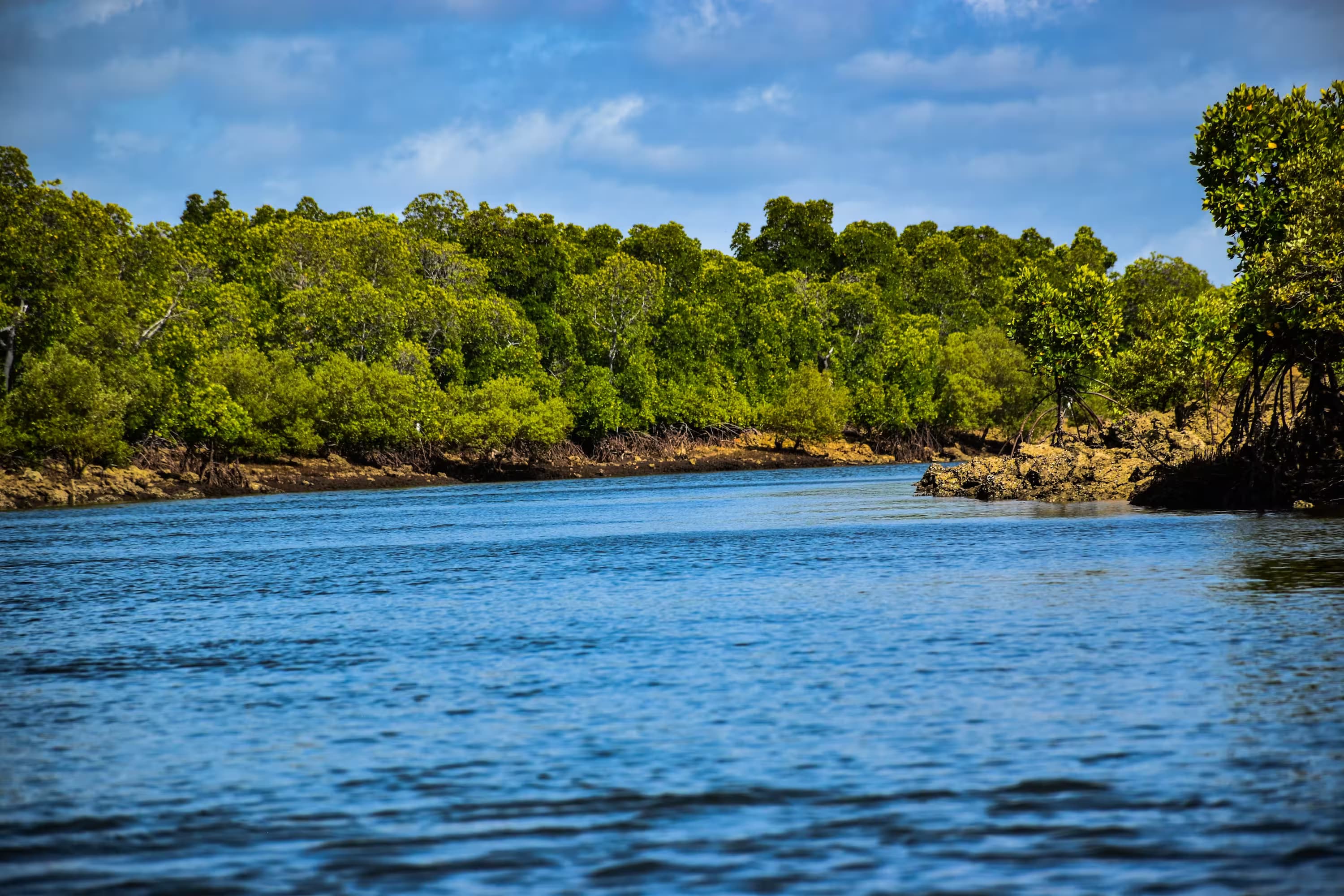
Anchored by UNESCO-listed Lamu Old Town and a mangrove–seagrass–coral mosaic, and powered by the Tana River that delivers over half of Kenya’s river flow to the Western Indian Ocean while sustaining millions, this land- and seascape fuels fisheries, tourism, and culture—yet accelerating mangrove loss, port expansion, overfishing, pollution, dams, and climate impacts demand stronger upstream–downstream water governance to safeguard coasts, biodiversity, and livelihoods for generations.
The Omo-Turkana Landscape
The Omo-Turkana Landscape
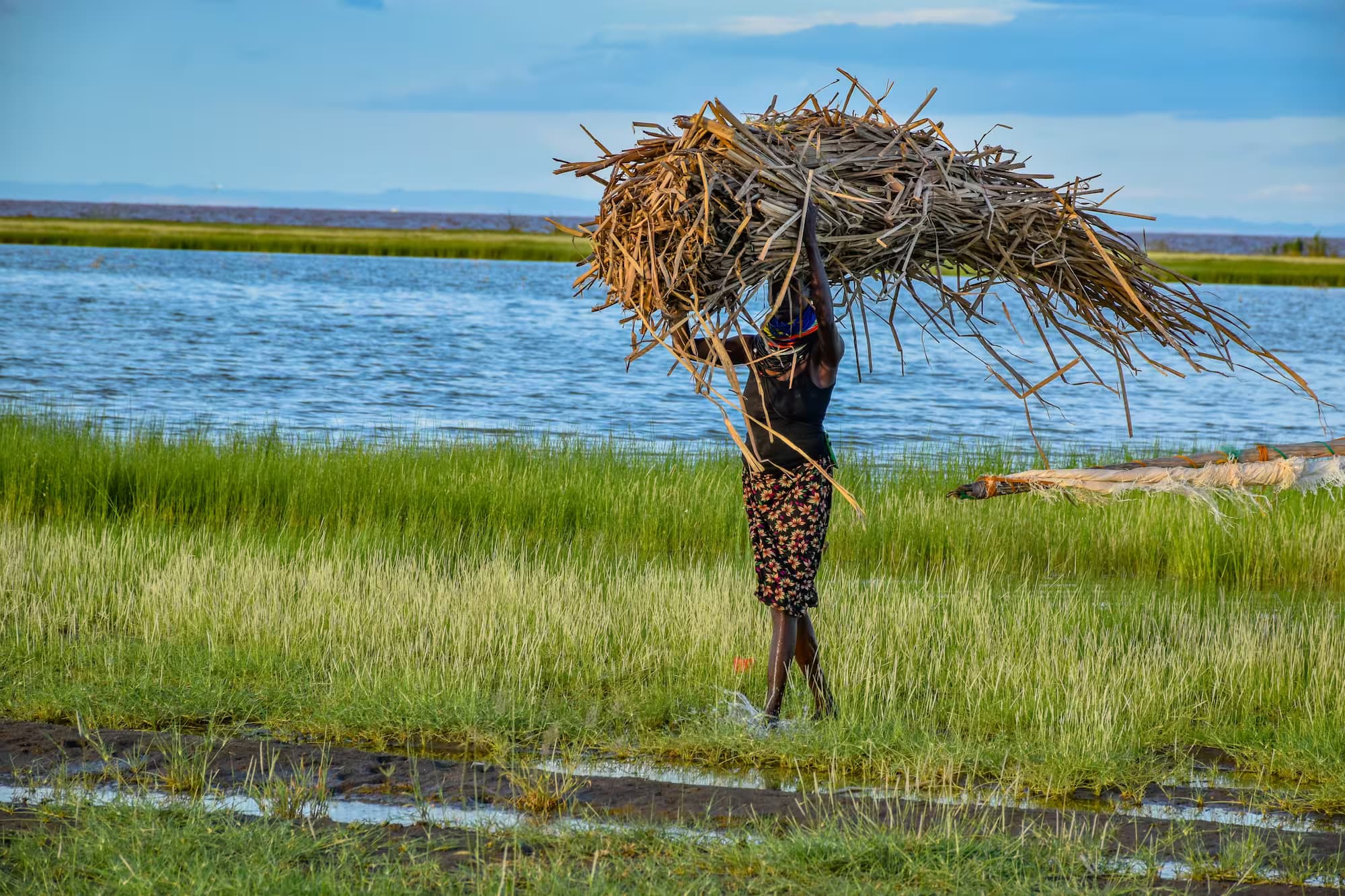
Anchored by UNESCO-listed Lake Turkana and fed by Ethiopia’s Omo River, this dramatic volcanic–savannah landscape faces mounting pressures from dams, overuse, and climate stress yet holds real promise for sustainable fisheries, community-led conservation, eco-tourism, and Kenya–Ethiopia cooperation.
The Inner Niger Delta Landscape
The Inner Niger Delta Landscape
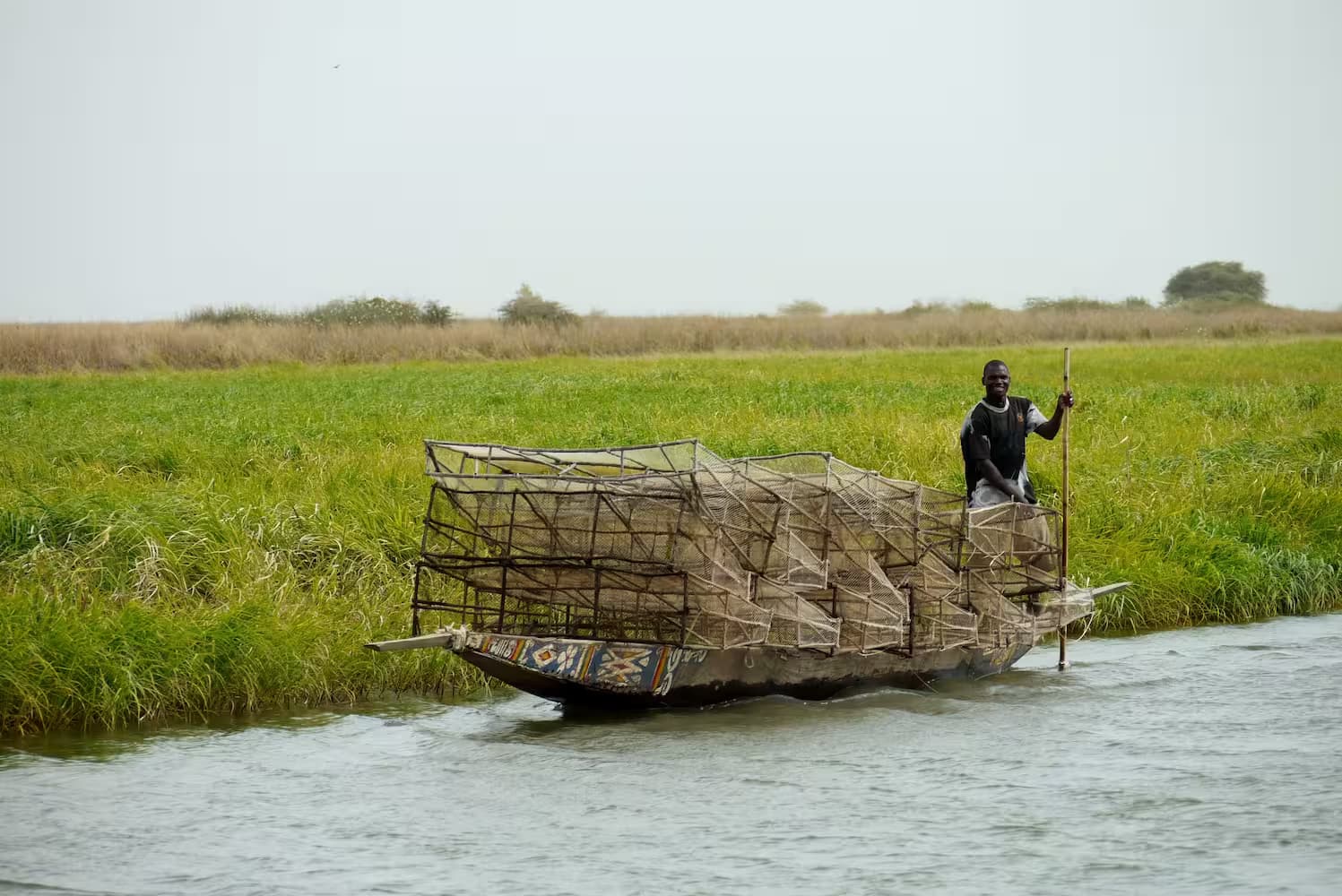
The Inner Niger Delta in Mali is West Africa’s largest floodplain, where seasonal floods turn the Sahel into a green oasis. It feeds millions of people with rice, fish, and pasture, while sheltering hippos, manatees, and countless migratory birds. But dams, climate change, and growing pressure on land and water are shrinking this “blue lifeline,” putting both nature and local communities at risk.
The Ziway-Shalla Landscape
The Ziway-Shalla Landscape
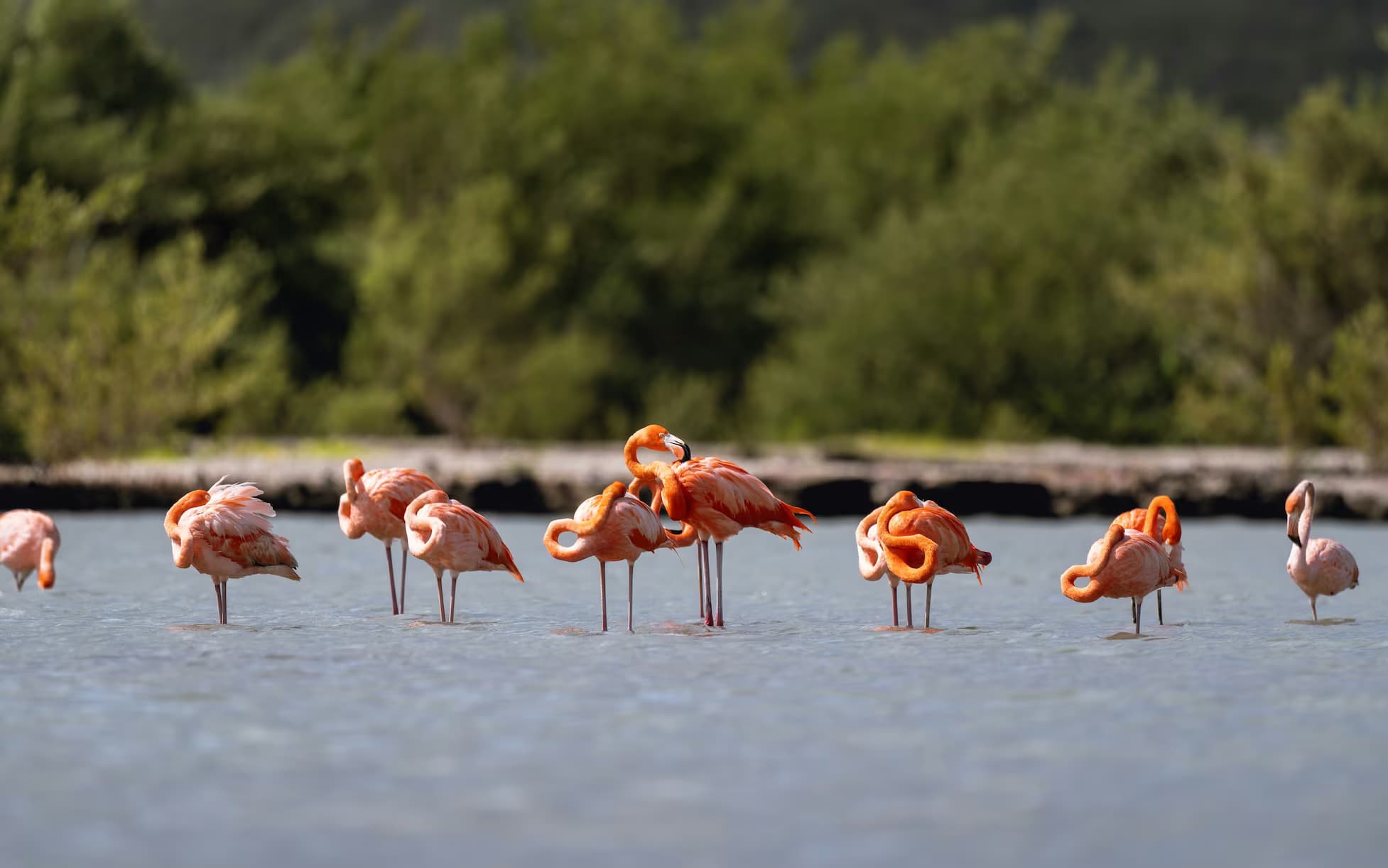
In the heart of Ethiopia's Great Rift Valley lies a chain of vital lakes, including Ziway, Abijatta and Shalla, that form a critical ecological and economic artery for the region.
This interconnected system is not only a biodiversity hotspot teeming with globally significant bird populations, such as flamingos and great white pelicans, but also the lifeblood for local communities who depend on its waters for fishing, agriculture, and their overall livelihoods.
The Cacheu Landscape
The Cacheu Landscape
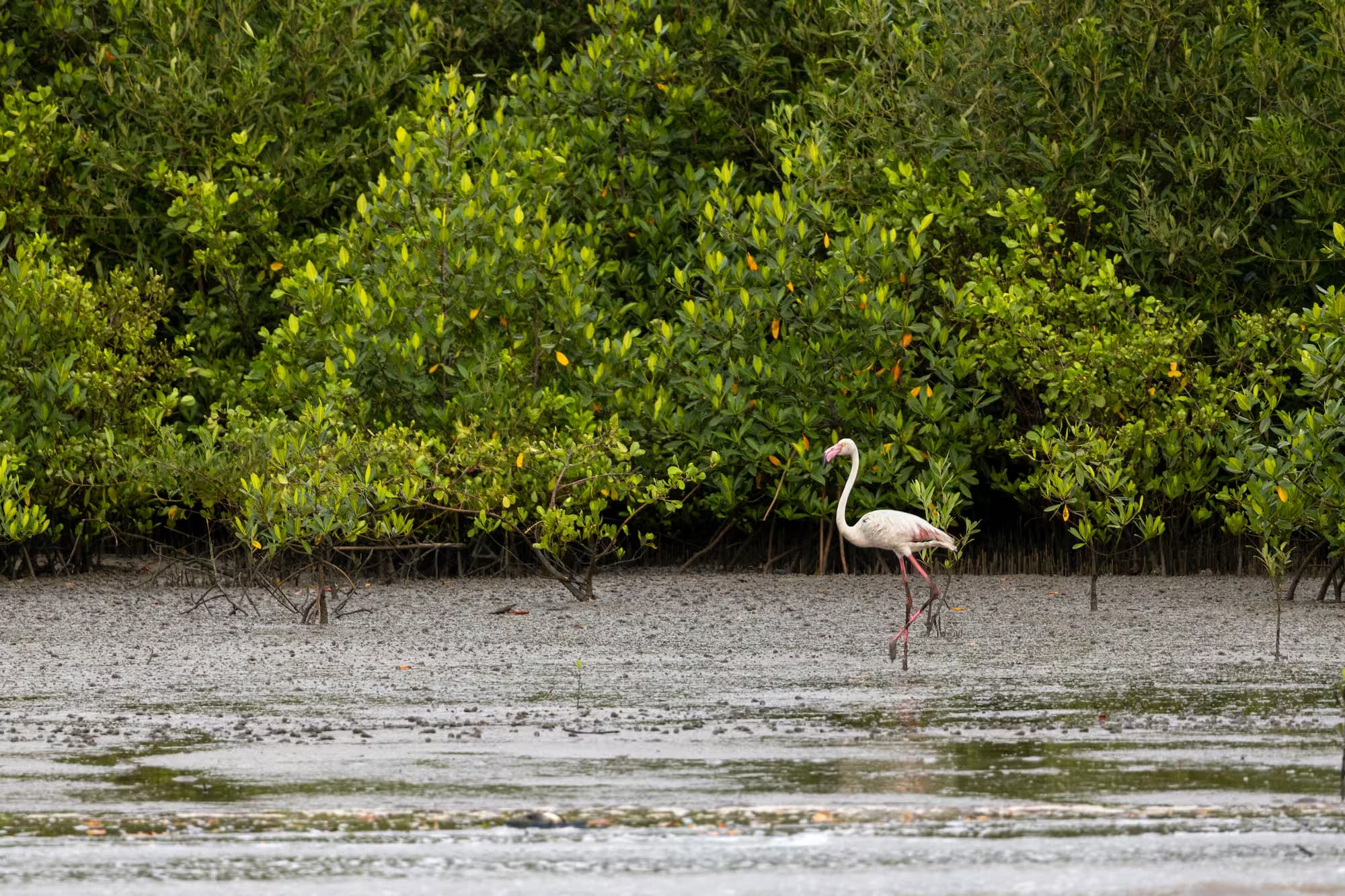
In northern Guinea Bissau the Cacheu Landscape, part of the broader Jeta-Pecixe-Cacheu region, is one of West Africa’s richest wetland treasures. Its vast mangroves and vibrant waters sustain extraordinary wildlife, store millions of tonnes of carbon, and sustain the lives and cultures of over 220,000 people.